The History and Heritage of Indonesian Spices

Updated: Sep 10

For centuries, Indonesia has been known as the “Spice Islands.” Its strategic position along historic trade routes connecting Asia and Europe made the archipelago a focal point for merchants from around the world. Highly valued commodities such as cloves, nutmeg, and pepper attracted major trading powers, including the Portuguese, Dutch, and British.
Today, Indonesian spices remain an important part of the country's cultural heritage, culinary traditions, and agricultural economy.
Cultural Influence of Spices
The influence of spices extends far beyond the kitchen. Throughout Indonesia, spices have long played a role in cultural traditions, ceremonies, and everyday life.
For example, turmeric is traditionally used in various Javanese customs and celebrations, where it is often associated with prosperity and happiness. Across the archipelago, different spices continue to carry cultural significance while remaining an essential part of Indonesian cuisine.
Some of Indonesia's Finest Spices
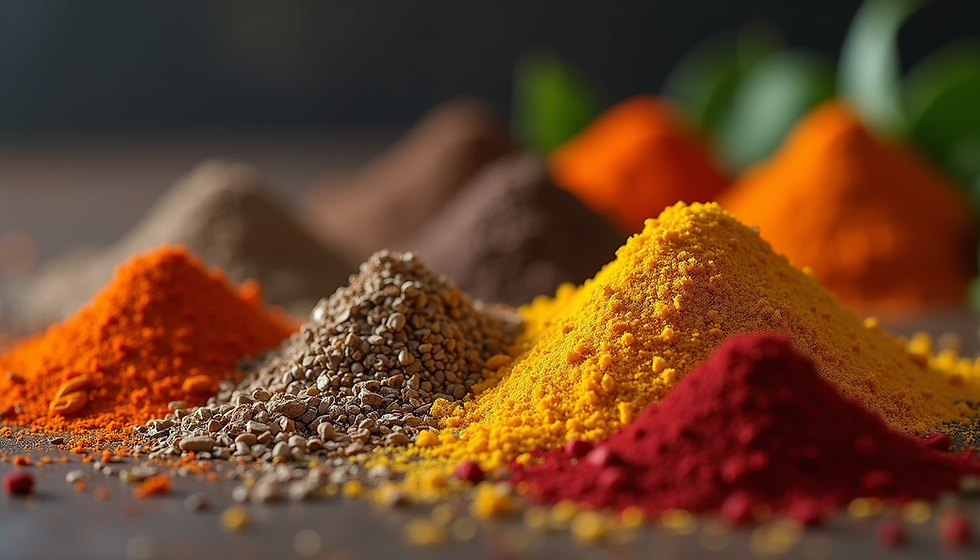
Indonesia is home to a wide range of spices valued for their distinctive aromas, flavours, and versatility. Below are several of the country's most well-known spices and their common culinary applications.
1. Cloves
Cloves are among Indonesia's most recognizable spices, particularly associated with the Maluku Islands. They are known for their strong aroma and distinctive, warm flavour.
Beyond culinary applications, cloves are also used in products such as fragrances and traditional preparations.
Common Culinary Uses
Used in meat-based dishes, including Indonesian dishes such as rendang and semur.
Added to beverages such as tea and coffee for their distinctive aroma and flavour.
2. Nutmeg
Nutmeg is another spice historically associated with the Maluku Islands. It is valued for its warm, slightly sweet, and aromatic flavour.
Nutmeg is widely used in both savoury and sweet preparations.
Common Culinary Uses
Used in dishes such as soups, curries, and other savoury recipes.
Commonly used in baked goods and desserts.
Added to warm beverages, including milk-based drinks and chocolate.
3. Pepper
Pepper is one of the world's most widely used spices, and Indonesia is known for producing distinctive varieties of both white and black pepper.
Indonesian pepper is valued internationally for its aroma, flavour, and versatility.
Common Culinary Uses
Used across a wide range of dishes, from soups to grilled and roasted meats.
Commonly incorporated into sauces, seasonings, and spice blends.
4. Turmeric
Turmeric is widely recognised for its vibrant yellow colour and distinctive earthy flavour. It is an essential ingredient in many Indonesian and Asian dishes.
Common Culinary Uses
Used in dishes such as nasi kuning, curries, and various traditional Indonesian recipes.
Commonly included in traditional herbal beverages, including jamu.
5. Ginger
Ginger is known for its warm, pungent flavour and distinctive aroma. It is widely used in both food and beverages.
Common Culinary Uses
Used in a variety of savoury dishes, including soups, meat dishes, and Indonesian recipes.
Commonly prepared as a warm beverage, such as wedang jahe or ginger tea.
Spices in Everyday Cooking
Incorporating spices into everyday cooking can be a simple way to add depth, aroma, and character to a dish.
Here are a few practical tips:
Start with small amounts: If you are unfamiliar with a particular spice, begin with a small quantity and adjust according to taste.
Grind spices when appropriate: Freshly ground spices can provide a more pronounced aroma and flavour.
Combine spices with complementary ingredients: Spices can be incorporated into oils, marinades, sauces, and other preparations.
Experiment with different recipes: Exploring different combinations of spices can introduce new flavours to familiar dishes.
Spices in Indonesian Culture and Tradition
Spices are more than culinary ingredients in Indonesia. They have long been incorporated into cultural traditions and everyday practices.
Traditional Celebrations
Various spices are used in traditional ceremonies and celebrations across Indonesia. Ingredients such as turmeric and cloves may carry symbolic and cultural meaning depending on the region and tradition.
Traditional Herbal Practices
Spices such as ginger and turmeric are also widely used in jamu, Indonesia's traditional herbal beverage culture. For generations, these ingredients have been incorporated into locally prepared drinks and traditional practices.
Indonesian Spices and the Global Economy
Indonesian spices continue to play an important role in international trade. Growing global interest in high-quality, traceable, and sustainably sourced agricultural products creates opportunities for Indonesian producers and suppliers to reach international markets.
From smallholder farmers and local collectors to processors and exporters, the spice industry supports a broad agricultural ecosystem across Indonesia.
Maintaining quality, consistency, responsible sourcing, and reliable supply chains is increasingly important in connecting Indonesian products with international buyers.
The Role of Kooki Grup Indonesia
Kooki Grup Indonesia supports the sourcing and international supply of Indonesian agricultural products by connecting buyers with suitable local producers and verified suppliers.
With a focus on transparent business practices, operational flexibility, and tailored sourcing solutions, we help facilitate transactions based on the specific requirements of each project.
Our approach is centered on understanding buyer requirements, identifying suitable supply sources, and coordinating the sourcing and export process where required.
By helping connect Indonesian producers and suppliers with international opportunities, Kooki Grup Indonesia aims to contribute to a more accessible and connected agricultural supply chain.
Conclusion
Indonesian spices represent an important part of the country's history, culture, culinary heritage, and agricultural economy.
From cloves and nutmeg to pepper, turmeric, and ginger, each spice carries its own distinctive characteristics and history. Their continued presence in kitchens, traditions, and international markets reflects Indonesia's long-standing position as one of the world's most important sources of spices.
As global demand for quality agricultural products continues to evolve, Indonesia's rich diversity of spices and local supply networks presents significant opportunities for producers, buyers, and supply-chain partners alike.
Comments